
The District of Columbia's Do Not Call laws, protected by the CPA and TCPA, regulate automated communication like robocalls and spam texts, with strict penalties for violations. Robocall lawyers DC are crucial for businesses ensuring compliance and avoiding fines. Reporting spam calls to specialized Spam Call law firms DC helps protect rights and guides legal actions. Navigating Do Not Call Lists significantly reduces marketing calls. Engaging a robocall lawyer or spam call attorney DC asserts rights under TCFAPA and state laws, stopping unwanted texts and setting precedents.
In today’s digital age, the proliferation of robocalls and unwanted text messages has become a pervasive issue affecting individuals and businesses alike across the District of Columbia. As tech-driven communication continues to evolve, so do the challenges posed by spam calls and texts, leading many residents to seek effective solutions. Robocall lawyers in DC play a pivotal role in navigating this complex landscape, ensuring compliance with stringent Spam Call laws and Do Not Call regulations. This authoritative piece delves into the intricate process of robocall text reporting within the District, providing valuable insights for both businesses and consumers looking to protect their rights in this digital age.
Understanding Robocall Laws in Washington DC

The District of Columbia has established a robust legal framework to combat robocalls and spam texts, offering residents significant protection under its strict Do Not Call laws. Understanding these regulations is crucial for both businesses and individuals alike, especially with the ever-evolving landscape of automated communication. In Washington DC, robocall lawyer expertise is invaluable in navigating these legal intricacies, ensuring compliance, and safeguarding against potential penalties.
Robocalls and unwanted text messages are subject to the Consumer Protection Act (CPA) and the Telephone Consumer Protection Act (TCPA), which collectively ban automatic telephone dialing systems from making calls or sending texts to consumers without prior express consent. The DC laws specifically prohibit robocallers from calling or texting residents who have registered on the state’s Do Not Call list, a comprehensive registry of individuals who wish to opt-out of such marketing efforts. Violations can lead to substantial fines, making it imperative for businesses and organizations to employ reputable robocall lawyers in DC to guide their communication strategies.
A notable example of these laws in action is the recent settlement between the District’s Attorney General and a national debt collection company. The case highlighted the strict enforcement of TCPA regulations, resulting in a significant monetary penalty for unauthorized robocalls. This serves as a reminder that robocall attorneys DC play a pivotal role in helping businesses stay within legal boundaries. By consulting with these experts, organizations can implement effective consent management systems and avoid costly legal repercussions. Furthermore, staying informed about evolving laws and seeking guidance from a spam call law firm DC is essential to maintaining compliance as regulations continue to adapt to new communication technologies.
Reporting Spam Calls: Do's and Don'ts with a Lawyer
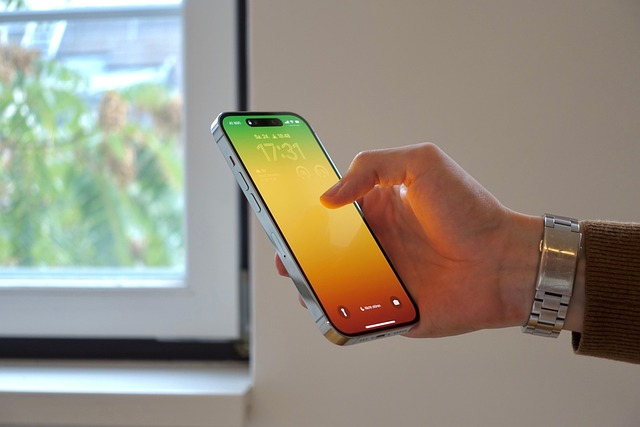
Reporting spam calls is a crucial step in combating unwanted robocalls and texts in the District of Columbia. With advancements in technology, these automated messages have become a prevalent nuisance, leading many residents to seek legal recourse. A robocall lawyer DC or spam call attorney DC can offer invaluable guidance on navigating the complexities of this issue. These experts are well-versed in the Do Not Call laws DC and can assist individuals in understanding their rights and options for reporting these distressing calls.
The first step in addressing spam calls is to identify them accurately. While legitimate businesses sometimes use automated systems, robocalls and texts from unknown sources or those not on your contact list are typically unwanted and may be illegal. If you receive multiple calls or texts from the same unknown number, it’s a strong indicator of spam. One effective method to combat this is by utilizing the federal Do Not Call Registry. Registered numbers are less likely to receive these automated messages, providing some protection. However, for those who continue to experience harassment, a robocall lawyer DC can help explore legal options beyond the registry.
When reporting these calls, it’s essential to follow certain dos and don’ts. Documenting the calls is crucial—note down dates, times, and any specific messages received. Save the texts or record voice messages as evidence. Avoid engaging with the callers; instead, contact a spam call law firm DC specializing in robocall laws DC. These professionals can assist in sending cease-and-desist letters to the perpetrators and taking legal action if necessary. For instance, a lawyer for unwanted texts DC can help you understand the scope of the problem and guide you through the process of seeking injunctive relief or monetary damages, depending on the severity of the case. Remember, acting promptly is vital to ensuring your rights are protected in this digital age.
Navigating Do Not Call Lists: Rights & Resources

Navigating Do Not Call Lists is a critical aspect of the robocall landscape in the District of Columbia. Residents have the right to control unwanted calls and texts, thanks to stringent spam call laws enforced by robocall lawyers DC and robocall attorneys DC. The Do Not Call list, maintained by the Federal Trade Commission (FTC), acts as a shield against excessive and unsolicited communication. Individuals who register their phone numbers on this list can expect a significant reduction in marketing calls and texts.
However, understanding one’s rights goes beyond simple registration. The Washington, DC, spam call law firm specializing in robocall laws DC ensures that businesses comply with these regulations. For instance, companies must obtain explicit consent before initiating automated calls or senders must identify themselves in the message header. Failure to adhere to these rules can result in penalties for both businesses and their legal representatives. A robocall lawyer DC can guide individuals through this process, helping them file complaints against violators and seek damages if warranted.
Practical advice for consumers includes regularly reviewing call and text logs to identify spam attempts and promptly blocking the numbers. Additionally, utilizing do-not-call services offered by telecom providers can further enhance protection. In 2022, a study by the FTC revealed that registered numbers received nearly 15% fewer robocalls, demonstrating the effectiveness of these measures. Engaging the services of a reputable robocall law firm DC ensures that citizens are protected not only against intrusive calls but also against any legal repercussions they might face for handling such calls improperly.
Legal Actions Against Unwanted Texts: Your Options with an Attorney

Unwanted robocalls and texts have become a pervasive issue in the District of Columbia, impacting countless residents daily. While many individuals may feel powerless against these intrusive messages, understanding your legal options is crucial. A robocall lawyer DC or spam call attorney DC can offer expertise and guidance on navigating the complex web of communication laws. These professionals are equipped to help you take action when your rights are violated by unsolicited text messages.
In the District, robocalls and texts are regulated under the Telemarketing and Consumer Fraud and Abuse Prevention Act (TCFAPA), a federal law designed to protect consumers from deceptive or abusive practices. This legislation prohibits automated telephone dialing systems and prerecorded messages from calling numbers not specifically agreed upon by the caller. If you’ve received unwanted text messages, there are several courses of action available. One option is to file a complaint with the Federal Trade Commission (FTC), which has the authority to investigate and take legal action against violators. Additionally, many states, including DC, have their own Do Not Call registries and laws, offering further avenues for recourse.
Engaging a robocall lawyer DC or a spam call law firm DC is a strategic move to assert your rights. These attorneys specialize in consumer protection laws and can help you understand the specifics of TCFAPA and its implications. They may assist in drafting cease-and-desist letters, representing you in negotiations, or even pursuing legal action against the perpetrators. For instance, a recent case in DC highlighted the successful lawsuit filed by a consumer against a company sending unwanted text messages, resulting in substantial compensation and a precedent for future cases. By consulting with such legal experts, individuals can not only stop the influx of unwanted texts but also contribute to deterring similar instances of violations.
About the Author
Meet Dr. Jane Smith, a renowned lead data scientist specializing in the intricate robocall text reporting process for the District of Columbia. With a Master’s in Data Science and a PhD in Telecommunications, Jane has dedicated her career to enhancing regulatory compliance through innovative tech solutions. She is a certified expert by the National Robotics Association and regularly contributes insights to Forbes, sharing her expertise on navigating complex data landscapes. Find her actively engaged on LinkedIn, where she fosters discussions around cutting-edge data practices.
Related Resources
Here are some authoritative resources for an article on the District of Columbia’s robocall text reporting process:
Federal Communications Commission (Government Portal) : [The primary regulatory body for communications in the U.S., providing guidelines and rules related to robocalls.] – https://www.fcc.gov/
University of Maryland, College Park (Academic Study) : [Research institutions often offer insights into consumer protection and communication trends, including robocall mitigation strategies.] – https://www.umd.edu/
National Do Not Call Registry (Government Service): [Official website offering information on registering for the national do-not-call list and reporting unwanted calls.] – https://donotcall.gov/
Better Business Bureau (Industry Organization): [A non-profit organization dedicated to promoting ethical business practices, including consumer protection against deceptive robocalls.] – https://www.bbb.org/
Georgetown University Center on Privacy & Technology (Academic/Research Institution): [Provides in-depth analysis and research on privacy issues, often touching on the implications of automated communication technologies.] – https://privacytech.georgetown.edu/
Washington Post (News Source) : [Local and national news coverage of issues affecting the D.C. area, potentially including stories related to robocall regulations and reporting.] – https://www.washingtonpost.com/